






















Beyond Supplements and Skincare—How Physiovits, Fuschia, and Dr. Mohit Bhatia Are Reframing Wellness in India
Physiovits, Fuschia, and Dr. Mohit Bhatia are moving past traditional supplements and skincare to offer a more holistic approach to wellness in India. Discover how they are reshaping the narrative around health and self-care.

India is no longer just treating illness—it is beginning to question why illness occurs in the first place. This shift, subtle yet powerful, is redefining the country’s approach to health. Preventive care, once a secondary consideration, is now moving to the forefront. At the center of this evolution stands a new breed of wellness brands, among them Physiovits and Fuschia, guided by the vision of Dr. Mohit Bhatia.
But this is not just a story about two brands. It is a story about a changing mindset. For decades, healthcare in India has been largely reactive. A symptom appears, a diagnosis follows, and treatment begins. What often goes unnoticed are the silent gaps—nutritional deficiencies, chronic stress, lifestyle imbalances—that quietly accumulate over time. Physiovits enters this space with a clear proposition: address the gaps before they become problems.
Its science-backed nutraceutical formulations are designed not for quick fixes, but for consistency—supporting immunity, energy, bone health, and overall vitality. In a market crowded with overpromises, Physiovits’ emphasis on targeted, need-based supplementation reflects a more mature understanding of wellness: that health is built daily, not repaired occasionally.
Yet even this is only half the picture. Because wellness today is no longer confined to what we consume—it extends to how we live, what we apply, and how we engage with our bodies. This is where Fuschia finds its relevance. With its focus on natural, vegan, and cruelty-free skincare, the brand speaks to a generation that values transparency and sustainability as much as results.
Together, Physiovits and Fuschia create a compelling duality: internal nourishment and external care. It is a model that mirrors the way modern consumers think—holistically, not in silos.
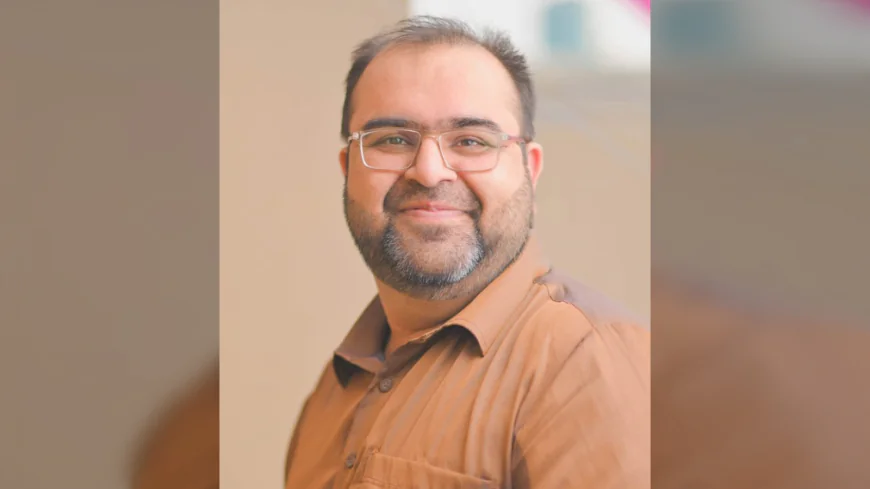
At the heart of this integration is Dr. Mohit Bhatia, whose background in clinical research and pharmaceutical strategy lends both credibility and direction to the venture. His approach is neither purely clinical nor purely commercial. Instead, it sits at the intersection of science and accessibility, where healthcare is not just prescribed, but understood.
And that distinction matters. Because the rise of preventive wellness also brings with it a responsibility. As supplements become mainstream and skincare becomes increasingly “clean” and “conscious,” the line between informed choice and marketing noise can easily blur. The real challenge for brands like Physiovits is not just to grow, but to educate—to ensure that consumers know not just what to take, but why.
This is where trust becomes the defining currency. If India is to truly embrace preventive healthcare, it will require more than products. It will demand awareness, consistency, and a cultural shift toward long-term thinking. Wellness cannot remain an aspirational lifestyle for a few—it must become an accessible habit for many.
Encouragingly, the integrated model of Physiovits and Fuschia points in that direction. It suggests a future where health is not compartmentalized into categories like medicine, nutrition, or beauty, but understood as an interconnected system.
A future where supplements are not a reaction, but a routine. Where skincare is not cosmetic, but conscious. Where wellness is not occasional, but ongoing.
In that sense, the story of Physiovits and Fuschia is not just about brands—it is about a broader transition in how India defines well-being.
And perhaps, for the first time, the focus is exactly where it should be: not on treating illness, but on sustaining health.












.png)
